
Introduction: The Powerful Politics and Art Relationship
How far can politics shape art — and how far can art shape politics?
This critical question was powerfully explored by Andrew Hemingway, writing in the late 1990s (published in 2002). His reflections remain deeply relevant in today’s creative industries, especially in societies where art intersects with power, funding, identity, and cultural memory.
The politics and art relationship is not a modern invention. It has shaped civilizations, revolutions, and social movements. From public monuments to protest murals, from state-sponsored exhibitions to independent studios, art never exists in isolation.
In this article, we explore how politics shapes art, how art influences political imagination, and why this relationship matters more than ever — particularly for emerging artists and institutions like the Institute of Art Lagos.
Art Is Never Neutral: Understanding the Politics Behind Creativity
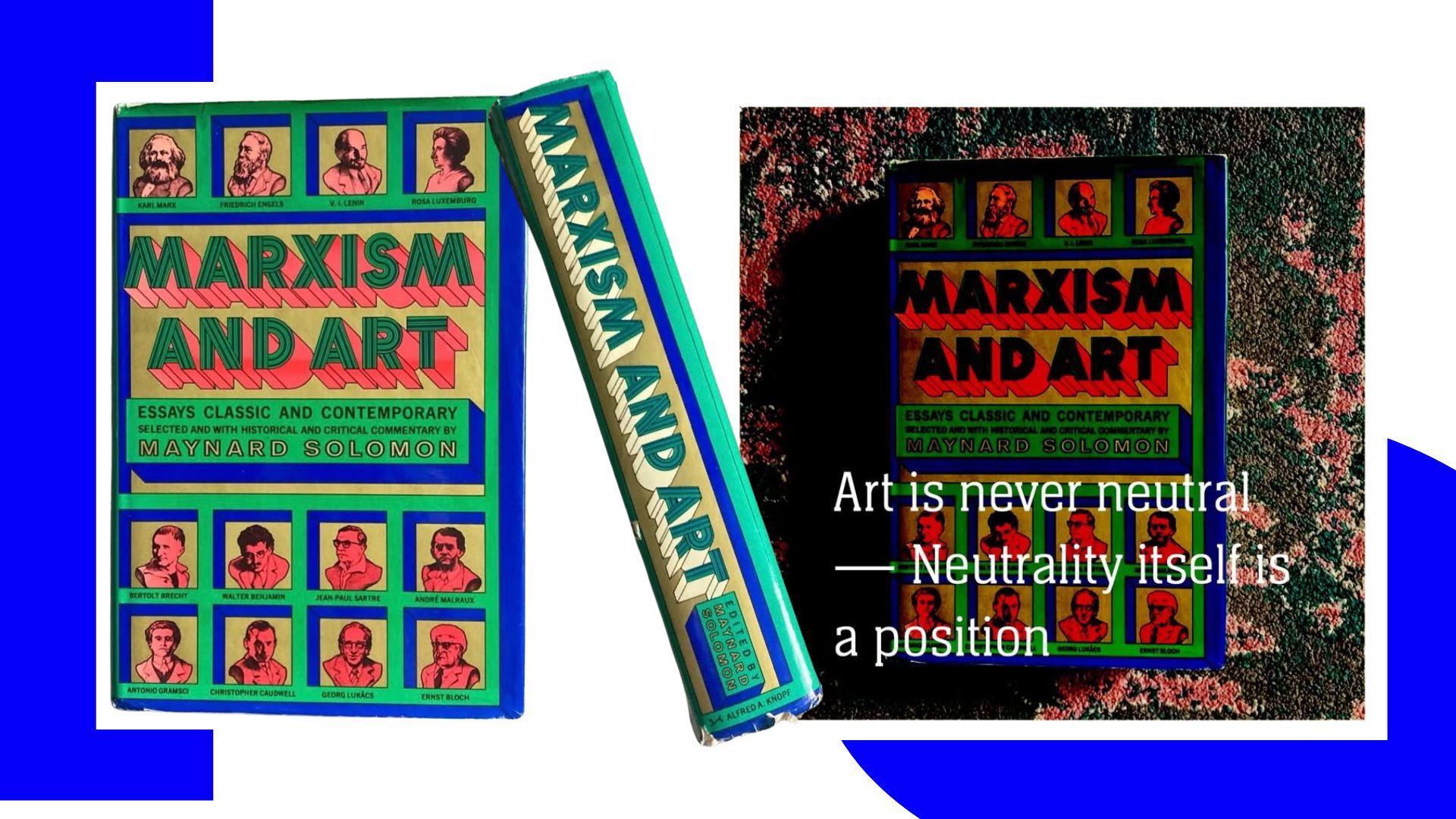
According to Andrew Hemingway, art is never neutral.
Art is shaped by material conditions, including:
- Who funds it
- Who exhibits it
- Who collects it
- Who writes its history
- Who is remembered — and who is forgotten
These factors directly influence artistic production. Politics does not merely affect what art says — it affects who gets to speak and how their voice is amplified.
This is the core of the politics and art relationship: power structures determine visibility.
For example:
- Government funding bodies often prioritize certain narratives.
- Private collectors shape market trends.
- Museums canonize specific artists while excluding others.
This doesn’t mean artists lack agency — but it does mean their environment shapes possibilities.
How Politics Shapes Art: Control, Funding, and Representation
Politics shapes art in three primary ways:
Funding and Patronage
Throughout history, rulers and governments have funded art to reflect their ideals. From royal portraits to nationalist sculptures, financial backing often determines artistic direction.
When funding comes with expectations, artists may face limitations — subtle or explicit — on what they can express.
Institutional Gatekeeping
Museums, galleries, academies, and critics decide what counts as “important art.” These institutions are influenced by social and political ideologies.
If certain communities are underrepresented in power structures, their artistic voices may struggle for recognition.
Cultural Memory and Historical Narrative
Politics influences which artists are preserved in history books. Many groundbreaking creators were ignored during their lifetimes due to race, gender, class, or political stance.
The politics and art relationship becomes visible in hindsight when we examine who was excluded and why.
Art Is Not Just Propaganda: The Idea of Relative Autonomy
While politics shapes art, Hemingway argues that art is not simply propaganda.
Art has what scholars call relative autonomy.
This means:
- Art can reveal truths beyond the artist’s intention.
- A politically radical artwork can fail aesthetically.
- A seemingly apolitical artwork can contain deep political meaning.
Art operates in a space where intention, perception, and context intersect.
An artwork may be created under political pressure yet still express unexpected critique. Conversely, a politically motivated piece may fail if it lacks creative depth.
This complexity is what makes the politics and art relationship intellectually rich and artistically powerful.
How Art Shapes Politics: Changing Perception and Imagination

If politics shapes art, how does art shape politics?
Hemingway suggests that art influences politics not by issuing commands but by shaping:
- Perception
- Emotion
- Collective imagination
Art changes what feels possible.
Art Shapes Emotional Response
Political speeches inform the mind, but art moves the heart. Through imagery, color, symbolism, and storytelling, art creates emotional landscapes that shape public opinion.
Art Expands Imagination
Before social change becomes policy, it must become imaginable. Artists often visualize futures that do not yet exist.
Art allows society to rehearse transformation.
Art Challenges Dominant Narratives
Even when not directly confrontational, art can quietly question assumptions. A painting, performance, or installation may expose contradictions in social systems.
This is how the politics and art relationship becomes transformative: art expands awareness.
Why the Politics and Art Relationship Matters in Contemporary Africa
In today’s globalized world — particularly within Nigeria and across Africa — the politics and art relationship carries unique weight.
- Cultural identity is constantly negotiated.
- Historical narratives are being rewritten.
- Creative industries are expanding economically.
Art institutions, including the Institute of Art Lagos, play a crucial role in shaping how emerging artists understand their social context.
Artists today must ask:
- Who controls artistic platforms?
- What stories are prioritized?
- How can creativity remain authentic within systems of power?
Understanding the politics and art relationship empowers artists to navigate these realities consciously.
Practical Implications for Young Artists
If you are an aspiring or practicing artist, here is what this theory means for you:
Be Aware of Your Context
Your creative freedom exists within economic and institutional frameworks. Awareness is strength.
Protect Artistic Integrity
Funding and visibility are important — but your vision must remain central.
Develop Critical Thinking
Art education should include social analysis. Understanding history, politics, and culture strengthens artistic voice.
Embrace Art’s Transformative Power
Art does not need to shout to be political. Subtle shifts in perception can create lasting impact.
Final Reflection: Art and Politics Are Interwoven
The politics and art relationship is not about choosing sides.
It is about understanding that art lives within society — shaped by power, yet capable of reshaping it.
Andrew Hemingway’s insight reminds us:
- Politics shapes who gets to speak.
- Art shapes how society sees.
- Imagination precedes change.
Art does not dictate political action, but it changes what feels possible — and that is often where real transformation begins.
Conclusion
The politics and art relationship is one of the most significant dynamics in cultural production. Art is never neutral. It is shaped by material conditions, institutions, and historical power structures.
Yet art retains relative autonomy. It can surprise, critique, inspire, and expand imagination beyond political intentions.
For institutions like the Institute of Art Lagos and for emerging creatives, understanding this relationship is essential. The future of art — and perhaps even politics — depends on artists who are critically aware, imaginatively bold, and socially engaged.

Leave a Reply